
When considering ERP solutions in Malaysia, the quest for the best option can be a daunting task. With various providers offering a range of features and benefits, businesses often find themselves at a crossroads when selecting the most suitable ERP system. The importance of choosing the right ERP solution cannot be overstated, as it can significantly impact operational efficiency e invoice, cost-effectiveness, and overall growth potential. As the market continues to evolve, staying informed about the latest trends and technologies in ERP systems is crucial for staying ahead in the competitive landscape.

Key Features of Top ERP Solutions
Top ERP solutions in Malaysia offer a range of key features that play a crucial role in enhancing business efficiency and productivity. One prominent feature is integrated data management, where all departments within an organization can access real-time information from a centralized database. This streamlines processes, reduces errors, and ensures data consistency across the board.
Additionally, top ERP solutions provide modules for various functions such as accounting, human resources https://aspert.com.my/e-invoice/, inventory management, and customer relationship management. These modules are customizable to suit the specific needs of different industries, allowing businesses to optimize their operations effectively.
Another essential feature is automation, which eliminates manual tasks and accelerates workflows. Automation not only saves time but also reduces the likelihood of human errors, boosting overall accuracy. Furthermore, advanced reporting and analytics tools enable companies to generate in-depth insights from their data, facilitating informed decision-making. This feature is particularly valuable in today’s competitive business landscape, where data-driven strategies are paramount for success.
Benefits of Implementing ERP Systems
Implementing ERP systems in Malaysia offers significant benefits, including cost savings through streamlined processes and reduced operational expenses.
With improved efficiency, organizations can enhance productivity, decision-making, and overall business performance.
These advantages underscore the importance of integrating ERP solutions into Malaysian businesses for sustainable growth and competitiveness.
Cost Savings
When considering the adoption of ERP solutions in Malaysia, one significant advantage that organizations can experience is the substantial cost savings associated with implementing these systems.
By centralizing data and streamlining processes, ERP systems eliminate the need for multiple standalone systems, reducing maintenance costs and licensing fees.
Additionally, automation of tasks leads to increased operational efficiency, lowering labor costs and minimizing errors that can result in financial losses.
Moreover, improved inventory management facilitated by ERP solutions helps in optimizing stock levels, preventing excess inventory costs, and reducing the risk of stockouts.
Improved Efficiency
Enhancing operational efficiency through the implementation of ERP systems in Malaysia results in streamlined processes and optimized resource utilization for organizations. By integrating various functions such as finance, HR, inventory, and customer relationship management into a unified system, ERP software eliminates redundant tasks, minimizes manual data entry errors, and provides real-time insights for informed decision-making.
This increased efficiency leads to faster response times, improved collaboration among departments, and enhanced productivity across the organization. Furthermore, automation of routine processes frees up employees to focus on more strategic tasks, ultimately driving business growth and competitiveness in the Malaysian market.
Customization Options for ERP Solutions
Customization options for ERP solutions offer tailored module configurations to meet specific business needs. They also provide scalable interface options for seamless integration. Additionally, flexibility in integration allows compatibility with existing systems.
These points highlight the adaptability and versatility of ERP solutions, allowing businesses to optimize their processes effectively. By exploring these customization options, companies in Malaysia can enhance operational efficiency and drive growth through personalized ERP implementations.
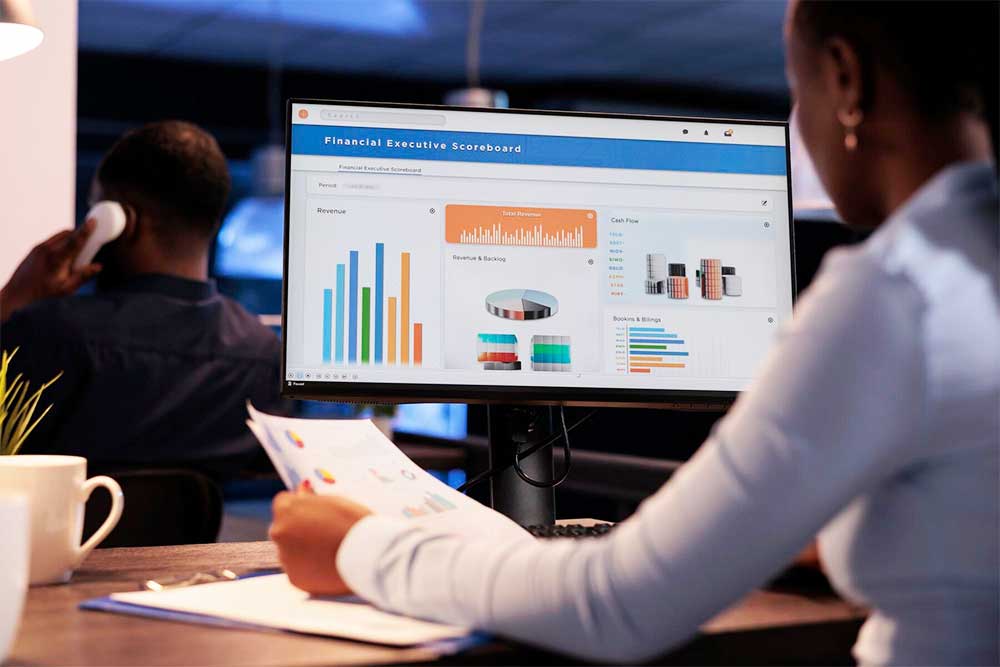
Tailored Module Configurations
Tailored module configurations in ERP solutions allow organizations to optimize their system to meet specific business requirements and processes efficiently. These customization options enable companies to adapt the ERP software to their unique workflows, ensuring seamless integration and enhanced productivity.
By tailoring modules, businesses can streamline operations, improve data accuracy, and enhance decision-making processes. Customized configurations also provide the flexibility to add or remove features as needed, accommodating changes in the business environment.
With tailored module configurations, organizations in Malaysia can leverage the full potential of their ERP system, aligning it closely with their strategic objectives and operational needs. This level of customization empowers businesses to achieve greater efficiency and competitiveness in the market.
Scalable Interface Options
A critical aspect of optimizing ERP solutions in Malaysia involves exploring scalable interface options that offer tailored customization features to enhance operational efficiency and alignment with strategic goals.
Scalable interface options allow businesses to adapt the ERP system to their specific needs, ensuring a seamless integration with existing processes. These customization features enable users to personalize their interface, streamline workflows, and access relevant data more efficiently.
By providing flexibility in interface design and functionality, businesses can improve user adoption rates and overall productivity. Additionally, scalable interface options empower organizations to stay agile in a dynamic market environment, facilitating quick adjustments to meet changing business requirements.
Choosing an ERP solution with robust customization capabilities is essential for long-term success and growth in Malaysia’s competitive business landscape.
Integration Flexibility for Compatibility
In examining ERP solutions in Malaysia, a key consideration lies in the integration flexibility required to ensure compatibility with existing systems and processes. Customization options play a crucial role in achieving seamless integration.
Businesses often have unique workflows and requirements that necessitate tailored ERP solutions to fit their specific needs. Therefore, a flexible ERP system that allows for easy integration with third-party applications, legacy systems, and other software is highly sought after in the Malaysian market.
Cloud-Based ERP Solutions in Malaysia
Increasingly, businesses in Malaysia are turning to cloud-based ERP solutions to streamline their operations and enhance efficiency. Cloud-based ERP solutions offer several advantages to Malaysian businesses, including flexibility, scalability, and cost-effectiveness. By leveraging cloud technology, companies can access their ERP systems from anywhere with an internet connection, allowing for remote work capabilities and real-time data management. This is particularly beneficial for businesses with multiple branches or remote teams. Additionally, cloud-based ERP solutions eliminate the need for on-premise hardware and maintenance, reducing upfront costs and IT complexities.
Furthermore, cloud-based ERP systems in Malaysia often come with regular updates and automatic backups, ensuring data security and system reliability. With cloud-based ERP solutions, businesses can also benefit from improved collaboration among different departments and stakeholders, leading to better decision-making and overall productivity. Overall, the shift towards cloud-based ERP solutions in Malaysia reflects a growing trend towards digital transformation and modernization in the business landscape.
Integration Capabilities of ERP Systems
Businesses adopting cloud-based ERP solutions in Malaysia are increasingly recognizing the significance of integration capabilities within ERP systems. The ability of an ERP system to seamlessly integrate with other software applications and systems is crucial for streamlining business processes, improving data accuracy, and enhancing overall efficiency. Integrating ERP systems with Customer Relationship Management (CRM) software, e-commerce platforms, supply chain management systems, and business intelligence tools allows for real-time data sharing and better decision-making.
Moreover, integration capabilities enable businesses to automate repetitive tasks, reduce manual data entry errors, and ensure data consistency across different departments. By connecting various business functions through integration, companies can achieve a more holistic view of their operations and improve collaboration among teams. Additionally, integration facilitates the flow of information between different systems, enhancing communication and enabling a more agile response to changing market conditions.
Cost-Effective ERP Solutions for Businesses
Cost-effective ERP solutions play a pivotal role in enhancing operational efficiency and cost savings for organizations in Malaysia. These solutions are designed to streamline business processes, improve resource allocation, and optimize overall performance without breaking the bank. By implementing a cost-effective ERP system, businesses can benefit from reduced operational costs, improved productivity, and better decision-making capabilities.
One key aspect of cost-effective ERP solutions is their scalability, allowing businesses to start with basic functionalities and add more features as needed, thus avoiding unnecessary expenses upfront. Additionally, these solutions often offer flexible pricing models, such as subscription-based services or pay-as-you-go options, making them accessible to businesses of all sizes.
Moreover, cost-effective ERP solutions in Malaysia frequently come with built-in analytics tools that provide valuable insights into business operations, enabling informed decision-making and strategic planning. By investing in a cost-effective ERP solution, businesses can achieve a competitive edge in the market while keeping costs under control.
User-Friendly Interfaces of ERP Software
In the realm of ERP solutions in Malaysia, a key determinant of successful implementation and user adoption is the user-friendly interfaces of ERP software. User-friendly interfaces contribute significantly to enhancing the overall user experience by simplifying navigation, minimizing the learning curve, and increasing productivity. ERP systems with intuitive interfaces offer clear layouts, easy access to functionalities, and customizable dashboards tailored to specific user roles. These interfaces empower users to interact with the software efficiently, leading to higher engagement and satisfaction.
Moreover, user-friendly ERP interfaces enable employees at all levels to access relevant data and functionalities swiftly, facilitating informed decision-making and streamlined processes. By providing a seamless and intuitive user experience, ERP software with user-friendly interfaces reduces errors, enhances data accuracy, and boosts overall efficiency within an organization. Therefore, when selecting an ERP solution in Malaysia, prioritizing user-friendly interfaces is crucial to ensure successful implementation and widespread user adoption.
Industry-Specific ERP Solutions in Malaysia
Tailored to meet the specific needs of various industries, ERP solutions in Malaysia are increasingly focusing on providing specialized functionality and customization options. These industry-specific ERP solutions cater to sectors such as manufacturing, retail, healthcare, and finance, among others.
For manufacturing industries, ERP systems offer features to streamline production processes, manage inventory efficiently, and optimize supply chain operations. In the retail sector, ERP solutions can assist in inventory management, sales tracking, and customer relationship management.
Healthcare-focused ERP software provides tools for managing patient data securely, streamlining billing processes, and ensuring compliance with industry regulations. Furthermore, ERP solutions tailored for the finance industry offer features for financial reporting, risk management, and regulatory compliance.
Future Trends in ERP Technology
Moving forward, the landscape of ERP technology is poised to undergo significant transformation with the emergence of innovative trends and advancements. One key trend that is set to shape the future of ERP systems is the increasing adoption of artificial intelligence (AI) and machine learning. These technologies are enhancing ERP systems by enabling them to analyze data more efficiently, predict outcomes, and automate tasks, ultimately leading to increased productivity and streamlined operations.
Additionally, the integration of Internet of Things (IoT) devices into ERP systems is becoming more prevalent, allowing businesses to collect real-time data from interconnected devices, optimize processes, and make data-driven decisions.
Another notable trend is the rise of cloud-based ERP solutions, offering enhanced flexibility, scalability, and accessibility compared to traditional on-premise systems. Cloud ERP systems enable remote access, seamless updates, and reduced maintenance costs, catering to the evolving needs of modern businesses.
Furthermore, the focus on cybersecurity within ERP technology is intensifying, with advanced security measures being implemented to safeguard sensitive data and protect against cyber threats. As ERP technology continues to evolve, businesses in Malaysia can expect more user-friendly interfaces, greater customization options, and enhanced integration capabilities to drive efficiency and innovation.
Conclusion
In conclusion, the best ERP solution in Malaysia offers a range of key features and benefits for businesses looking to streamline their operations and drive growth.
With customization options, cloud-based flexibility, and integration capabilities, this ERP system caters to various industry needs efficiently.
Its cost-effective nature and user-friendly interfaces make it a valuable asset for businesses seeking sustainable growth.
Furthermore, the incorporation of emerging technologies ensures a competitive edge in the market.
