
In the increasingly competitive academic landscape, the necessity for secondary school students to seek additional Chinese tuition has become apparent.
This article delves into the reasons why students opt for extra support in mastering the Chinese language. From coping with academic demands to gaining a competitive edge in higher education chinese tuition, the benefits of personalized attention and enhanced language proficiency are explored.
Join us as we uncover the compelling reasons behind the growing trend of seeking supplementary Chinese tuition.

Academic Pressure and Performance
As academic demands intensify in secondary school, students often seek additional Chinese tuition to enhance their performance under pressure. The competitive nature of academics, coupled with the desire for academic excellence, drives many students to pursue extra tuition to stay ahead. In the realm of Chinese language studies, where proficiency is not only measured by grades but also by cultural understanding and language fluency, students feel the need to excel yanzi mandarin.
The pressure to perform well academically can stem from various sources, including parental expectations, peer comparisons, and personal goals. Students may find themselves struggling to keep up with the fast-paced curriculum or may seek to improve their grades to gain entry into desired academic programs or universities. Additional Chinese tuition offers a tailored approach to learning, addressing individual weaknesses and honing specific skills needed to succeed in exams and beyond.
Ultimately, the decision to seek extra Chinese tuition is a choice made by students who value academic success and wish to excel in their Chinese language proficiency, providing them with the freedom to explore their potential and achieve their aspirations.
Limited Support in Regular Classes
Secondary school students often face limited support in regular Chinese classes, hindering their ability to fully grasp the complexities of the language. In a traditional classroom setting, teachers must adhere to strict curriculums and time constraints, leaving little room for personalized attention. This lack of individualized support can be particularly challenging for students who may require additional assistance due to varying learning paces or different learning styles.
Furthermore, large class sizes in secondary schools can exacerbate the issue of limited support. With numerous students vying for the teacher’s attention, it becomes increasingly difficult for educators to address each student’s specific needs effectively. As a result, struggling students may fall behind, feeling lost and discouraged in their Chinese language studies.
To overcome these challenges, many secondary school students opt for extra Chinese tuition outside of regular classes. These supplementary lessons provide them with the personalized support and guidance they need to improve their language skills at their own pace, leading to greater confidence and success in their academic endeavors.
Enhancing Language Proficiency
The enhancement of language proficiency through personalized Chinese tuition plays a crucial role in addressing the challenges faced by secondary school students in their language learning journey. By providing students with individualized attention and tailored learning materials, extra Chinese tuition can significantly boost their language skills. This personalized approach allows students the freedom to focus on areas where they struggle the most, thereby accelerating their progress and understanding.
Moreover, through one-on-one interactions with a dedicated tutor, students can ask questions freely, seek clarification on complex topics, and engage in conversations that build their confidence in using the language.
Furthermore, extra Chinese tuition offers students the flexibility to learn at their own pace, without the constraints of a traditional classroom setting. This freedom allows students to explore the language more deeply, practice speaking and writing with guidance, and ultimately enhance their overall language proficiency. In a world where effective communication is key, the ability to express oneself fluently in Chinese can open up a myriad of opportunities for secondary school students.
Individualized Attention and Feedback
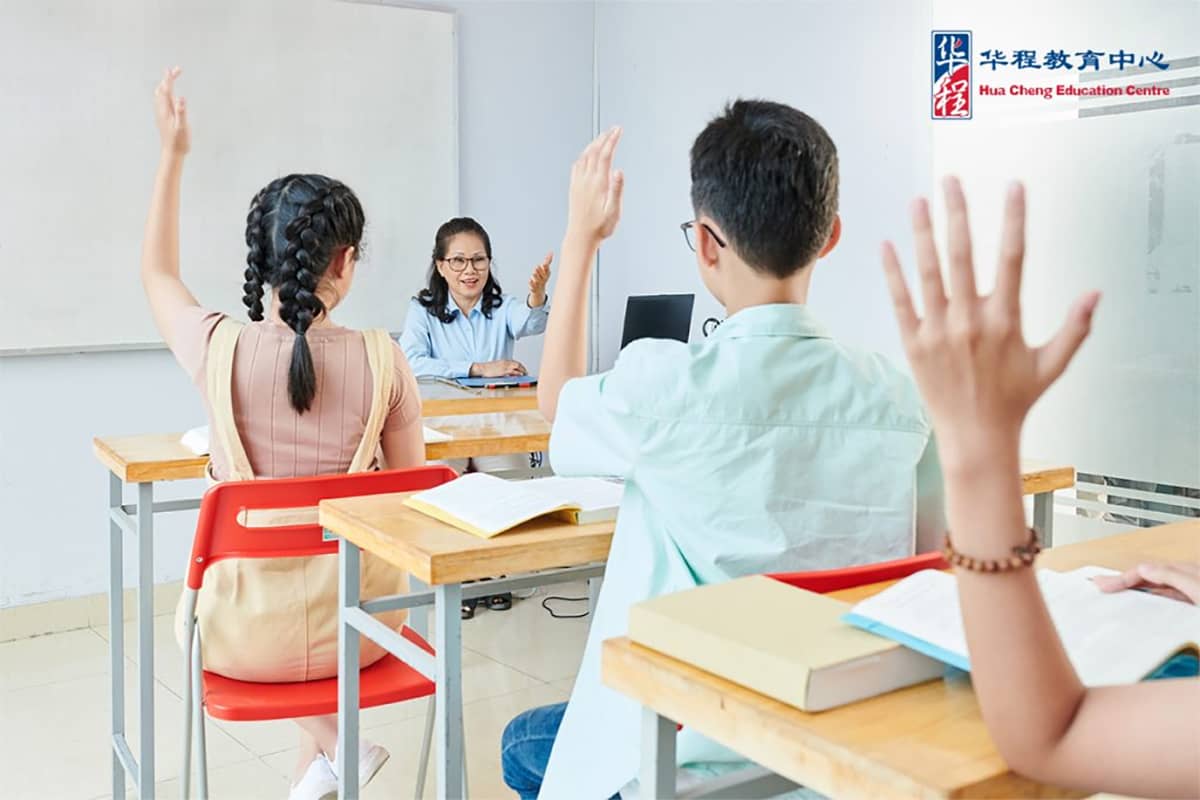
Providing secondary school students with personalized attention and constructive feedback is paramount in optimizing their learning outcomes during extra Chinese tuition sessions. Individualized attention allows educators to tailor their teaching methods to cater to each student’s unique learning style and pace.
This personalized approach fosters a more engaging and effective learning environment, enabling students to grasp challenging concepts more easily and build a strong foundation in the Chinese language. Moreover, receiving constructive feedback on their language skills and areas needing improvement empowers students to focus on specific areas for growth.
This targeted feedback helps students track their progress, identify their strengths, and work on enhancing their weaknesses. By addressing individual needs and providing timely feedback, students can make significant strides in their Chinese language proficiency. Ultimately, the combination of individualized attention and constructive feedback plays a crucial role in enhancing students’ overall learning experience and maximizing the benefits of extra Chinese tuition.
Competitive Edge in Higher Education
To excel in higher education, students gain a competitive edge through additional Chinese tuition sessions. In today’s globalized world, proficiency in Chinese can open up a plethora of opportunities in various fields such as business, technology, diplomacy, and academia. As China continues to play a significant role in the global economy, having a strong command of the Chinese language can give students a competitive advantage when applying for universities or jobs.
Furthermore, many higher education institutions value diversity and cultural competence among their students. By demonstrating proficiency in Chinese, students showcase their willingness to engage with diverse perspectives and adapt to different cultural contexts. This can be a compelling factor for universities seeking to build a multicultural learning environment.
Moreover, in an increasingly interconnected world, being bilingual is a valuable asset. Students proficient in Chinese have the advantage of accessing a vast amount of resources, information, and opportunities that may not be available to monolingual individuals. Ultimately, investing in additional Chinese tuition can equip students with the skills and knowledge needed to thrive in higher education and beyond.
Conclusion
In conclusion, secondary school students benefit from extra Chinese tuition due to several factors:
- Academic pressure
- Limited support in regular classes
- The need to enhance language proficiency
- Individualized attention
- The competitive edge it provides in higher education
By addressing these challenges through additional support, students can improve their performance and skills in Chinese language learning.
