
Temperature control in centrifugation is essential for maintaining sample integrity. Fluctuations can alter physical and chemical properties, causing protein denaturation, enzymatic inactivation, or nucleic acid degradation. Sensitive samples like enzymes, blood components, and cell cultures require stable temperatures to preserve viability and function. Inconsistent temperatures also affect sedimentation rates, leading to inaccurate separation and unreliable results Micro centrifuge. Proper temperature regulation guarantees reproducibility and data accuracy. Further details explain how to achieve and sustain ideal conditions.
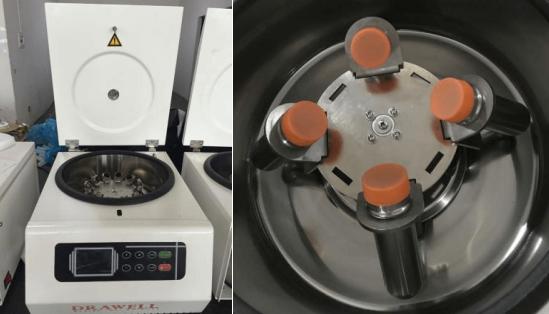
How Temperature Affects Sample Integrity During Centrifugation
In centrifugation, maintaining appropriate temperature is essential to preserving sample integrity.
Temperature fluctuations can alter the physical and chemical properties of samples, potentially leading to denaturation, degradation, or changes in molecular structures.
For biological specimens, excessive heat can disrupt protein folding or enzymatic activity, compromising experimental outcomes Lab Alliance. Conversely, overly cold conditions may cause precipitation or phase separation, affecting sample homogeneity.
Controlled temperature guarantees that centrifugal forces act on samples without inducing stress or damage. This stability is vital for obtaining reproducible and accurate results, especially when working with sensitive or complex materials.
Which Samples Need Strict Temperature Control?
Certain types of samples require more stringent temperature regulation during centrifugation to preserve their integrity and functionality. These sensitive materials can degrade, denature, or yield inaccurate results if exposed to inappropriate temperatures.
Key examples include:
- Enzymatic and protein samples that risk denaturation or loss of activity when overheated.
- Cell cultures and blood components that demand physiological temperatures to maintain viability.
- Nucleic acids (DNA/RNA) which can degrade rapidly if temperatures fluctuate or rise above recommended levels.
Maintaining strict temperature control guarantees reliable data and preserves sample quality, empowering researchers to work freely without compromising their experimental outcomes.
What Happens If Centrifuge Temperature Fluctuates?
How do temperature fluctuations during centrifugation impact sample integrity? Variations in temperature can compromise the stability and consistency of samples.
Sensitive biomolecules, such as proteins and nucleic acids, may denature or degrade if exposed to unexpected thermal changes, leading to altered structural properties or loss of function.
Additionally, temperature shifts can affect the viscosity and density of samples, disrupting sedimentation rates and resulting in inaccurate separation.
For clinical and research applications, such inconsistencies risk skewing results, reducing reproducibility and confidence.
Uncontrolled temperature fluctuations may also facilitate microbial growth or chemical reactions, further altering sample composition.
Maintaining thermal stability guarantees that samples remain representative and reliable, preserving experimental freedom by preventing unintended alterations that restrict data interpretation or downstream applications.
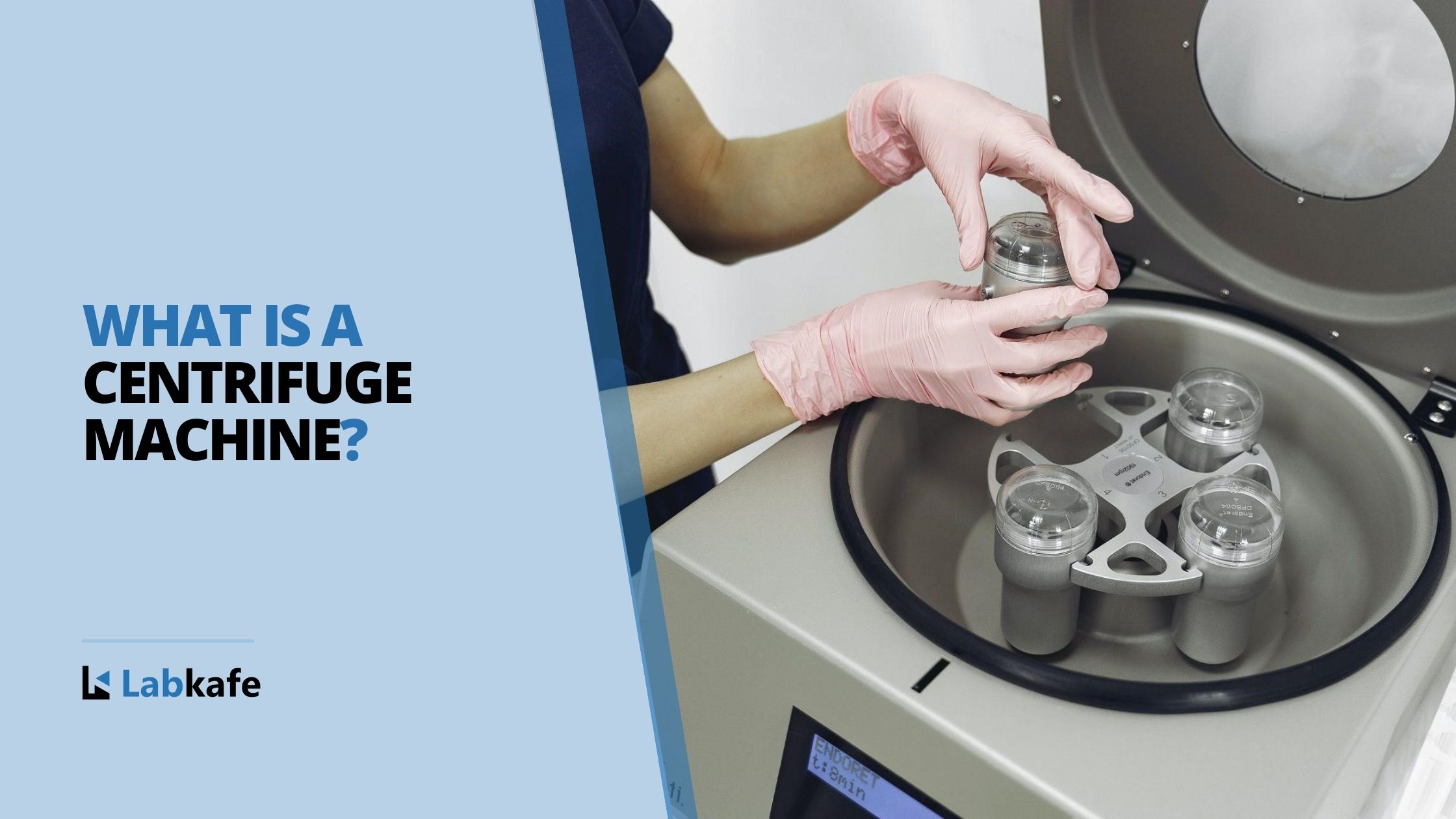
How To Maintain Consistent Temperatures In Your Centrifuge
Ensuring consistent temperatures during centrifugation requires a combination of proper equipment, regular maintenance, and careful operational practices. Temperature stability protects sample integrity and enhances experimental freedom by preventing unexpected results.
Key strategies include:
- Calibrating the centrifuge’s temperature sensors periodically to guarantee accuracy.
- Utilizing pre-cooling phases to bring rotor and samples to target temperatures before spinning.
- Monitoring temperature readouts continuously during runs to detect deviations early.
Adopting these methods enables users to maintain precise control without constraints, fostering confidence in results. Proper care also extends equipment lifespan and reduces downtime, granting freedom to focus on innovative research rather than troubleshooting.
Ultimately, maintaining consistent temperatures in centrifugation is essential for reliability and experimental flexibility.
Choosing The Right Centrifuge For Temperature-Sensitive Work
Selecting an appropriate centrifuge for temperature-sensitive applications involves evaluating features that support precise thermal regulation and sample protection.
Key considerations include reliable refrigeration systems capable of maintaining stable temperatures throughout operation, even during extended runs. The centrifuge should offer programmable temperature settings with tight control to accommodate varying sample requirements.
Additionally, rotor compatibility with temperature control enhances efficiency and flexibility. Users valuing freedom in their workflow will prioritize models with intuitive interfaces, enabling easy adjustments without compromising temperature stability.
Noise levels and energy efficiency also impact the overall laboratory environment and operational costs.
Ultimately, choosing a centrifuge that balances performance, adaptability, and ease of use guarantees optimal outcomes when handling temperature-sensitive materials, empowering users to maintain sample integrity while retaining operational freedom.
Conclusion
Temperature control during centrifugation is vital for preserving sample integrity and ensuring reliable results. Samples sensitive to heat or cold require strict regulation to prevent degradation or altered properties. Fluctuations in centrifuge temperature can compromise experimental outcomes and reproducibility. Maintaining consistent temperatures involves using refrigerated centrifuges and monitoring systems. Selecting the appropriate centrifuge tailored for temperature-sensitive applications enhances accuracy and protects valuable samples throughout the centrifugation process.
